
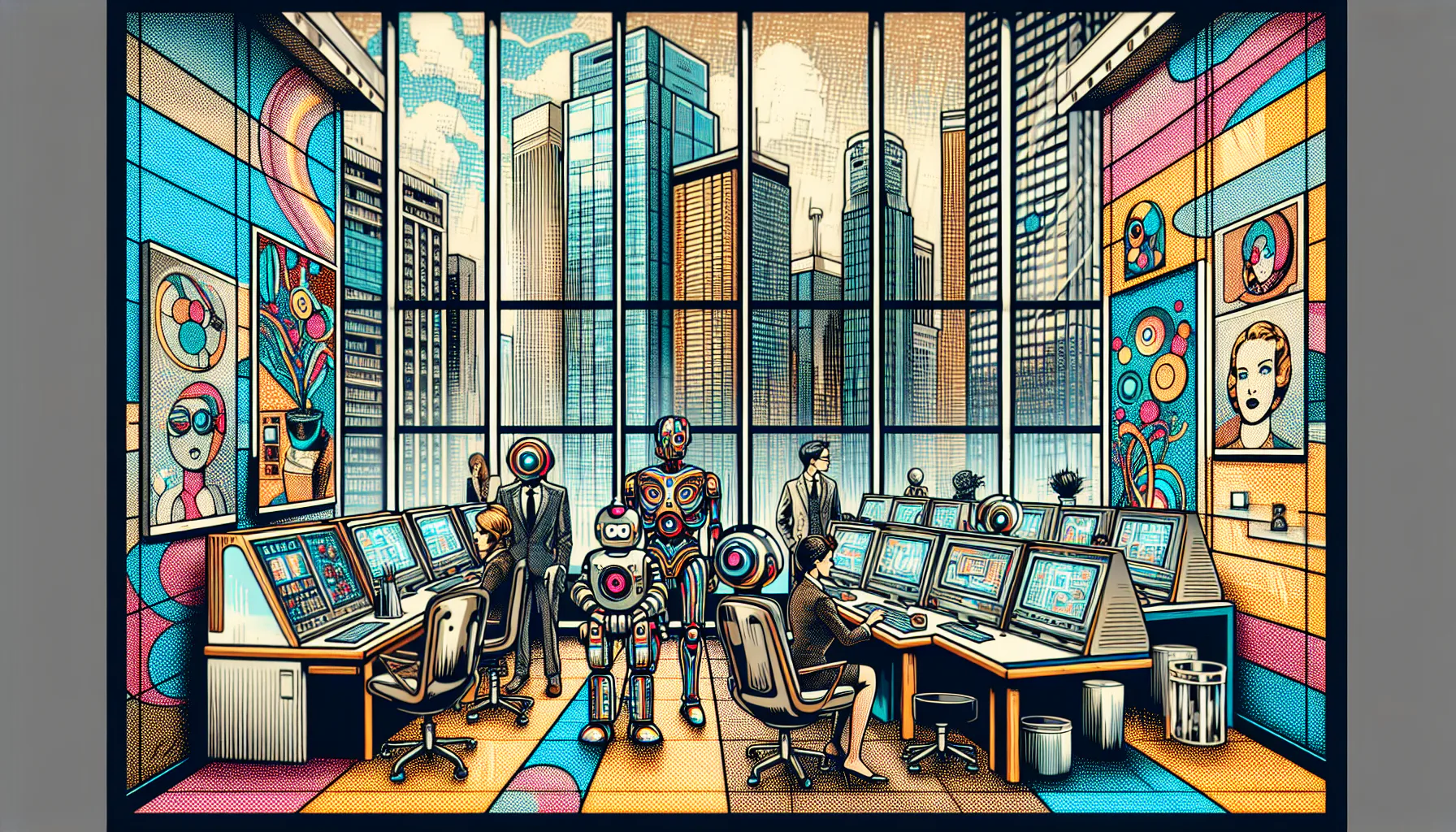
Imagine a personalized AI tool that effortlessly manages your daily tasks—a virtual task executor capable of organizing schedules, automating workflows, and even anticipating your needs before you know them yourself. This is the era of intelligent automation, where the burden of repetitive duties is lifted, empowering professionals to channel their energy into creativity and strategy.
From context-aware systems that generate insightful analytics to AI-powered interaction systems that craft tailored solutions, the rise of these proactive assistants is reshaping productivity across industries.
Whether it’s creating reports, managing smart home devices, or analyzing trends, these intelligent decision-makers are paving the way for a smarter, faster future.
The Evolution of AI-Powered Intelligent Agents
Cognitive assistants are no longer passive tools—they are dynamic interactive voice responses that adapt to individual preferences and behaviors.
Through breakthroughs in machine learning and natural language processing, these agents transcend conventional algorithms by learning and evolving over time. Imagine a smart scheduler that not only organizes your meetings but predicts ideal time slots based on your past habits.
“These digital collaborators tackle complex tasks with precision, leveraging user data to provide actionable outcomes,”
allowing professionals to operate at peak efficiency.
Real-World Applications of AI-Powered Agents
- Task automation bots that streamline workflows, reducing manual effort.
- Voice-enabled interfaces that perform tasks like setting reminders or calling a cab.
- Predictive analytics tools, helping teams forecast trends and optimize strategies.
- Smart home integrators for controlling devices and enhancing convenience.
- Language processing modules that transform lengthy text into concise information.
From e-learning assistants that create interactive lessons to NLP-based tools analyzing conversations for insights, these AI agents redefine the boundaries of automation. Whether it’s a neural network model generating meeting transcripts or a cloud-based assistant harmonizing workflows, AI continues to push the limits of innovation.
How AI Improves Decision-Making
Knowledge-based agents utilize comprehensive datasets, enabling informed choices and minimizing errors. With predictive task managers, users receive suggestions backed by real-time analytics. These systems merge computational linguistics tools with a language understanding model to deliver insights that are not only accurate but intuitively relevant.
The fusion of automation, adaptability, and intelligence creates a future where smart automation solutions replace inefficiency with precision, unleashing the full potential of individuals and teams alike.

How Conversational Chatbots Enhance User Interaction
Intelligent chatbot systems are transforming the digital landscape by merging creativity with user-centric design. These language processing modules unravel conversational patterns, enabling fluid and meaningful interactions that mimic human dialogue.
Imagine a voice-enabled interface on a popular e-commerce platform helping users track orders, resolve concerns, and discover personalized recommendations based on browsing behavior—every action tailored to improve customer engagement.
To elevate the impact of NLP-based tools within e-commerce, businesses can implement features like custom product suggestions rooted in predictive analytics.
This integration doesn’t just boost sales but fosters loyalty and an interactive digital environment that feels intuitive. By combining a context-aware system with streamlined designs, companies build bridges between technology and empathy, improving user satisfaction at key touchpoints.
Advancing Engagement with Natural Communication Tools
Natural communication tools powered by conversational AI breathe life into customer service strategies.
These tools, such as cloud-based assistants, offer dynamic functionalities, reducing response times and boosting query resolutions. For example, leveraging a customer support bot capable of offering real-time solutions creates a symphony of efficiency and personalized care.
Tip: Integrate a smart automation solution with real-time analytics into your platform for seamless performance, ensuring conversational interfaces adapt based on user interaction history.
This not only enhances operational efficiency but also enriches the user’s digital experience by fostering trust and accessibility.
Exploring Digital Concierge Capabilities
Digital concierge systems sparkle as modern marvels of intelligent automation.
These AI-driven bots transform daily routines into harmonious workflows, backed by predictive analytics tools that anticipate user preferences. Consider an interactive voice response in a luxury hotel, where guests receive personalized suggestions for dining, spa services, and local experiences, curated with the precision of a seasoned butler.
To unlock the full potential of a proactive assistant, focus on integrating voice commands with responsive AI platforms.
Whether managing personal schedules or coordinating travel plans, these systems deliver more than convenience—they create memorable, tailored journeys for every user.
Innovating Hospitality with Contextual Chatbots
Contextual chatbots are redefining expectations within the hospitality industry. By blending cognitive assistants with advanced automation, these solutions streamline services from booking to check-out.
Imagine a guest interacting with a voice-activated tool to modify a reservation while receiving updates about onsite events.
“Hospitality elevated with smart interaction systems builds loyal customers who experience effortless service every step of the way. ”
Tip: Enhance engagement by pairing a cloud-based intelligence system with predictive task managers.
Such combinations not only simplify workflows but amplify brand perception through proactive and personalized assistance.
Conversational Chatbots
- Intelligent chatbot systems use language processing modules to mimic human dialogue and enhance user interactions.
- NLP-based tools in e-commerce boost sales and foster customer loyalty through predictive analytics and personalized recommendations.
- Natural communication tools powered by conversational AI reduce response times and improve query resolutions, enriching the user experience.
- Digital concierge systems anticipate user preferences with predictive analytics, delivering tailored and memorable experiences.
Personalized AI Tools For Everyday Tasks
Personalized AI tools act as virtual helpers, revolutionizing productivity by dynamically adapting to individual routines. Through intelligent agent capabilities, these tools employ smart automation systems to streamline task management with precision.
A digital collaborator, for instance, might analyze your work habits to suggest the best time for meetings or send reminders tailored to your schedule.
Imagine an AI-driven bot proposing adjustments to your tasks based on real-time priorities—such efficiency could save countless hours.
“Smart automation solutions simplify workflows, giving you the freedom to focus fully on what matters most. ”
When choosing a personalized AI tool, look for features like behavioral adaptability to ensure your new digital entity integrates seamlessly into your existing tools. Solutions such as Todoist and Notion AI exemplify proactive task handlers, adapting to daily patterns and growing smarter with continued use.
Remember to explore options with intuitive interfaces and intelligent automation capabilities that enhance and complement your processes.
Selection Tip
- Prioritize context-aware systems that align with your workflow.
- Opt for a task automation bot capable of syncing across platforms.
- Ensure robust support for custom settings and personalized notifications.
NLP-Based Tools For Language Understanding
NLP-based tools serve as conversational chatbots, transforming interactions with advanced natural communication tools. Leveraging computational linguistics, autonomous assistants now deliver hyper-personalized responses through contextual AI tools. Consider a cloud-based assistant using sentiment analysis to detect emotional tone, enabling smoother communication during critical conversations—such innovations redefine how machines and humans connect.
“Interactive voice responses harness the power of NLP, bridging the gap between user intent and intelligent task handling. ”
For multilingual users, a virtual task executor like DeepL Translator exemplifies intelligent decisionmakers in action, simplifying cross-language exchanges. Such a voice-enabled interface empowers businesses to navigate global markets effortlessly. By integrating tools equipped with predictive analytics and sentiment analysis modules, content creators can produce compelling narratives that resonate deeply with diverse audiences.
Content Creation Tip
- Choose an interactive digital assistant with multilingual capabilities.
- Incorporate a language processing module for nuanced contextual analysis.
- Utilize a smart interaction system that adapts to audience needs in real time.
AI Tools
- Personalized AI tools adapt to individual routines for improved productivity.
- Smart automation systems streamline task management with precision.
- NLP-based tools use sentiment analysis to enhance emotional communication.
- Interactive digital assistants simplify cross-language exchanges for global users.
| Feature A | Feature B |
|---|---|
| Supports seamless integration | Limited compatibility |
| Highly customizable | Fixed configurations |
| Faster processing times | Slower performance |
Interactive Voice Response: A Communication Revolution
Interactive voice response (IVR) systems blend seamlessly with intelligent chatbots to elevate user interactions into a symphony of efficiency and personalization. Picture this: a telecom provider harnesses the brilliance of an AI-driven bot alongside IVR to tackle billing inquiries.
No more tiresome waiting—users receive immediate, tailored assistance with a level of finesse only possible through advanced natural language processing (NLP) tools.
The system doesn’t just hear; it listens, understands, and delivers.
The magic unfolds further with the addition of speech-enabled bots, transforming every interaction into a uniquely human-like experience.
By relying on predictive analytics tools, these systems anticipate user needs, simplifying intricate tasks and fostering engagement. Imagine receiving proactive notifications about service disruptions or being guided intuitively through a menu where every option feels like it was designed just for you.
To enhance the user journey, focus on menu design. Prioritize clarity, use concise language, and structure options in layers, ensuring a seamless traversal.
The AI Symphony in Customer Service
When it comes to customer service in telecom, the integration of contextual chatbots, language processing modules, and IVR systems orchestrates a transformative experience.
Visualize a user calling their telecom provider and skipping traditional queues, instead greeted by a voice interface system that recognizes their query instantly.
A robust language understanding model powers this process, ensuring every word is captured and acted upon with astonishing precision.
- Streamlined Problem Resolution: IVR dives directly into resolving specific issues, such as troubleshooting network problems or activating new services.
- Effortless Task Automation: Routine operations like balance checks or plan upgrades happen in seconds, thanks to task automation bots.
- Personalized Engagement: Enhanced by cognitive assistants, users feel valued as their preferences and history inform every interaction.
The true artistry lies in combining AI elements like proactive assistants and predictive task managers, ensuring not just answers but solutions tailored to elevate user satisfaction. By encompassing tools like cloud-based intelligence systems, telecom providers achieve unprecedented scalability and adaptability, bridging the gap between precision and personalization.
IVR and AI in Telecom
- IVR systems combined with AI-driven bots provide immediate, personalized assistance using natural language processing (NLP) tools.
- Speech-enabled bots enhance interactions by leveraging predictive analytics to anticipate user needs and simplify tasks.
- Contextual chatbots and language processing modules enable precise query recognition, bypassing traditional queues in customer service.
- Proactive assistants and predictive task managers deliver tailored solutions, enhancing user satisfaction and scalability.