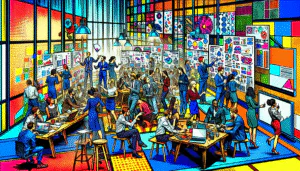

Picture a digital canvas that morphs into reality with effortless precision—powered by intelligent web design. From adaptive layouts to backend automation, artificial intelligence integration reimagines web creation as a masterpiece of innovation.
Gone are the days of tedious coding, replaced by AI-driven frameworks like Wix ADI that harness predictive analytics and deep learning models to craft custom websites that embody your vision.
Every design decision flows seamlessly, enhanced by algorithmic content generation, enabling unparalleled personalization while optimizing user engagement.
Through the magic of machine learning algorithms, websites now adapt and evolve in real time, ushering in a bold era where creativity unites with automation, making the impossible possible.
Artificial Intelligence Integration In Websites
Imagine a symphony of technology harmonizing behind every click—AI-powered tools orchestrate seamless functionality across your website. Whether implementing frontend enhancements for visual appeal or embedding chatbot integration for real-time user queries, artificial intelligence transforms the digital landscape.
To ensure responsive design frameworks, cross-platform compatibility becomes effortless with API integration, enhanced by semantic search optimization. Businesses can further leverage data-driven optimization by employing tools like realtime analytics to analyze user behavior and refine interactions.
Tip: Utilize adaptive layouts for intuitive navigation designed to captivate audiences across devices.
Tools such as automated testing solutions and workflow automation simplify integration processes, ensuring streamlined operations.
Interactive design features empower brands to create immersive experiences through technologies like augmented reality integration.
From ecommerce personalization with recommendation systems to enhancing accessibility via natural language processing, the possibilities are limitless.
By embracing cognitive computing and cloud-based AI platforms, websites achieve unprecedented adaptability, delivering user-centric experiences that redefine engagement on a global scale.

Enhancing User Experience With AI Tools
Artificial intelligence integration sparks innovation in creating personalized digital experiences. Rather than relying solely on traditional methods, machine learning algorithms guide adaptive interfaces that transform navigation into a seamless journey.
Ecommerce personalization tools such as Dynamic Yield prioritize user preferences, showcasing relevant product categories and inspiring repeated visits.
For inclusivity, AI-powered tools like AccessiBe employ adaptive layouts that refine web accessibility improvements for users with disabilities, bridging the gap in digital usability.
“With AI-driven frameworks, businesses embrace inclusivity and navigate toward enhanced user satisfaction. ”
Dynamic User Interfaces and Accessibility
- AI-driven frameworks cater to diverse user needs, ensuring functional designs for accessibility.
- Predictive analytics streamline interactive features, adjusting content flow for better understanding.
- Automated testing tools guarantee optimal design variations, improving overall user experience.
Businesses leveraging AIdriven frameworks gain access to tools that blend data visualization techniques with real-time analytics, enhancing user engagement metrics and paving the path to smarter content suggestions. Interactive design elements powered by cognitive computing and backend automation reshape the future of website customization.
How Machine Learning Shapes Web Design
Machine learning algorithms inject creativity into web design by predicting emerging trends and aligning aesthetics to user behaviors. These advanced optimization software solutions help designers craft highly engaging websites that resonate with audiences across varied demographics. Datadriven optimization tools like Canva’s AI assistant analyze visual patterns, recommending color palettes and interactive features tailored to brand identities.
“Machine learning introduces a new frontier, where data-driven artistry meets technological prowess. ”
Interactive Website Components and Predictions
- Neural networks applications mirror user preferences in dynamic user interfaces.
- Automated workflows expedite repetitive design processes, reducing time consumption.
- Semantic search optimization refines navigation systems for clarity and deeper engagement.
Designers empowered by AIdriven frameworks achieve more with tools like deep learning models and decision-making algorithms. For instance, predictive modeling identifies macro trends, while recommendation systems suggest personalized UX/UI improvements. Together, these cloud-based AI platforms and API integration techniques redefine intelligent web design at scale, delivering responsive design frameworks that encapsulate both creativity and functionality.
AI in Web Design
- AI tools like Dynamic Yield enhance ecommerce personalization by prioritizing user preferences.
- AccessiBe employs adaptive layouts to improve web accessibility for users with disabilities.
- Machine learning algorithms predict emerging design trends and align aesthetics to user behaviors.
- Datadriven optimization tools, such as Canva’s AI assistant, recommend tailored visual patterns for brand identities.
Optimizing Website Performance Through Predictive Analytics
Artificial intelligence integration has revolutionized how web performance analytics tackle dynamic traffic flow. By leveraging machine learning algorithms, predictive analytics anticipates traffic surges, enabling realtime analytics systems to dynamically adjust server loads during high-impact events like flash sales or product releases.
This seamless adaptation prevents bottlenecks and enhances user engagement.
Key Benefits of Predictive Analytics
- Datadriven optimization ensures your website stays responsive during peak usage.
- Backend automation identifies server weaknesses, reducing potential downtime.
- Cloudbased AI platforms bolster operational reliability while enhancing user satisfaction.
Automated workflows powered by predictive modeling can save e-commerce platforms millions during high-stakes events like Black Friday.
An example of predictive analytics in action would be an ecommerce personalization strategy where adaptive layouts redirect traffic intelligently, ensuring consistency for all users. This approach reflects the symbiosis between AIpowered tools and datadriven insights, showcasing how businesses can anticipate—and gracefully manage—the most unpredictable scenarios.
Leveraging Natural Language Processing For User Interaction
Natural language processing transforms conversational agents into more engaging and culturally aware tools. Whether fine-tuning sentiment analysis or crafting AI-powered virtual assistants, NLP ensures intelligent web design meets user-specific needs across multiple contexts.
How NLP Expands User Interaction
- Multilingual user support: With NLP, interactive design elements like chatbots can fluently respond in various languages.
- Sentiment analysis: By interpreting emotional cues, NLP suggests solutions tailored to user feelings, fostering trust.
- Semantic search optimization: Enhances content relevancy for smarter user inquiries.
An example of NLP’s impact can be seen in personalized UXUI frameworks, such as a virtual assistant that handles simultaneous conversations in Mandarin, Spanish, and French. This allows businesses to expand their global reach while maintaining meaningful user connections.
By integrating cognitive computing with chatbot collaboration, businesses unlock pathways to enhanced communication and immersive engagement.
Through such advancements, AI-driven frameworks enable intuitive, responsive platforms that cater to an international audience. From heuristic algorithms parsing complex queries to seamless front-end enhancements, NLP refines every layer of potential interaction.
AI and Web Performance
- Predictive analytics powered by machine learning can prevent server bottlenecks during high-traffic events.
- AI-driven backend automation reduces downtime by identifying server vulnerabilities.
- Cloud-based AI platforms enhance operational reliability and improve user satisfaction.
- Adaptive layouts in e-commerce personalization ensure consistent user experiences during traffic surges.
The Role Of Visual Recognition In AI Websites
Visual recognition technology stands as the bridge between imagination and interaction, redefining how users engage with online images. With AI-powered tools and machine learning algorithms, websites transform into dynamic canvases, delivering responsive design frameworks that are both intuitive and engaging.
Picture this: a shopper scours the web for the perfect pair of sunglasses, and with heuristic algorithms, the search results adapt seamlessly to specific shapes, materials, and trends.
This technological marvel doesn’t stop there.
Visual recognition fuels dynamic user interfaces, enabling automated workflows to generate unique banners or interactive website components based on audience segmentation.
Augmented reality integration becomes an ally, blending creativity and practicality—imagine virtually trying on a watch or seeing how decor enhances your living space. By embedding backend automation and smart content suggestions, AI designs experiences that feel remarkably personal.
Enhancing UX With Visual Recognition
Personalized UX/UI achieves new heights through visual recognition technology, harnessing cloud-based AI platforms to deliver realtime analytics and user behavior analysis.
These interactive design elements optimize website customization, ensuring each visitor finds content tailored to their intent-based SEO preferences. Voice search optimization and image optimization tools work side by side to refine searches and present choices that resonate effortlessly.
With interactive features, users can explore the digital landscape in ways that feel immersive and intelligent.
Tip: Leverage augmented reality integration with AI-driven frameworks to create virtual product trials or bring life to your website’s interactive displays.
This approach fosters deeper connections with users while amplifying engagement metrics.
Transforming Ecommerce With Personalized AI Solutions
Artificial intelligence integration unveils a new era of e-commerce, transforming online shopping experiences into journeys of discovery.
Through predictive analytics and datadriven optimization, AI-powered tools analyze purchasing trends to deliver personalized recommendations. Picture a user exploring winter apparel, and automated web coding seamlessly matches scarves, hats, or gloves for a cohesive look.
Dynamic content creation ensures every suggestion resonates with the customer’s style and needs.
Inventory management thrives under AI’s influence. Machine learning algorithms interpret realtime data processing engines, forecasting trends and enabling precise stock adjustments.
For instance, identifying a shift toward eco-friendly products allows businesses to adapt inventory intelligently, reducing waste while maximizing sales.
Such efficient frontend enhancements contribute to adaptive layouts that reflect the pulse of consumer demands.
Boosting Loyalty Through AI Strategies
Conversational agents and virtual assistants amplify customer retention efforts.
By tailoring automated workflows, brands can offer smart search filters and smart content suggestions to build loyalty. Personalized recommendations, delivered through decision-making algorithms, strengthen user connections and drive repeat purchases.
Whether through dynamic email campaigns or contextual advertising, businesses flourish by creating seamless, engaging experiences.
Tip: Employ interactive website components powered by neural network applications to analyze sentiment data and craft messaging that feels authentic and relatable, fostering long-term relationships between brands and audiences.
Key Insights on Visual Recognition and AI in Websites
- Visual recognition technology enhances user interaction by adapting search results using heuristic algorithms.
- Augmented reality integration enables virtual product trials, blending creativity with practicality.
- Cloud-based AI platforms deliver personalized UX/UI through realtime analytics and behavior analysis.
- Interactive features optimize user engagement by tailoring content to intent-based SEO preferences.
Building Adaptive Layouts For Dynamic Web Experiences
Artificial intelligence integration is redefining interactive design elements by creating adaptive layouts that respond dynamically to user behavior and device specifications. With mobile-first design principles guiding development strategies, smaller screens receive prioritized attention, ensuring seamless navigation and enhanced accessibility across devices.
Predictive analytics empower these layouts to intuitively react to user actions, like scrolling or interacting with buttons, enhancing personalized UX/UI experiences.
Automated workflows help teams test dynamic content delivery effectively; intelligent web design tools like BrowserStack offer critical insights into responsiveness challenges while suggesting frontend enhancements.
For a smooth transition between platforms, monitor user engagement metrics such as dwell times and clicks, utilizing sentiment analysis to refine layouts for maximum impact. Such datadriven optimization ensures harmony between mobile interfaces and desktop counterparts, crafting visually appealing designs powered by deep learning models.
“Responsive design frameworks thrive on real-time analytics and predictive modeling, making adaptive layouts indispensable for today’s web experiences. ”
Testing Strategies: Elevating Dynamic Content Delivery
Backend automation is revolutionizing the way testing occurs for adaptive layouts, ensuring feedback loops streamline decision-making algorithms.
By leveraging cloud-based AI platforms, businesses can assess performance metrics, refine their heuristic algorithms, and improve testing strategies with interactive website components. AI-powered tools like BrowserStack bring enhanced navigation systems to life, addressing issues such as responsiveness gaps or image optimization tools misalignments.
Voice search optimization further aids in creating personalized recommendations, ensuring content resonates deeply with audience segmentation insights.
To refine adaptive layouts, consider employing automated testing tools combined with contextual advertising insights to evaluate user behavior analysis patterns—empowering websites with optimization software tailored for interactive features.
A proactive approach to testing delivers dynamic experiences designed to integrate seamlessly with visual recognition technologies, ensuring flawless execution and predictive modeling precision.
Key Insights on Adaptive Layouts and Testing
- Artificial intelligence enables adaptive layouts that dynamically respond to user behavior and device specifications.
- Predictive analytics enhance user experiences by intuitively reacting to actions like scrolling or button interactions.
- Automated workflows and tools like BrowserStack identify responsiveness challenges and suggest frontend improvements.
- Backend automation and AI platforms streamline testing, refining heuristic algorithms and performance metrics.