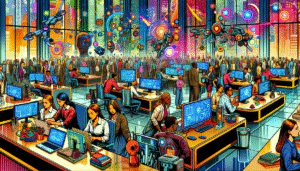

Imagine a future where AI content creation becomes the canvas for limitless creativity, merging human brilliance with machine-generated text to craft stories and ideas that captivate. Like an invisible muse, adaptive content generation reshapes the art of writing, helping creators transform fleeting thoughts into polished prose with seamless precision.
Whether weaving narrative generation for entertainment or igniting innovation in digital copywriting, AI is a catalyst for new-age storytelling.
By harnessing tools like generative text platforms, writers unlock vivid imagery and dynamic possibilities, crafting worlds where words truly come alive.
As AI-powered storytelling continues to advance, its ability to blend logic with linguistic creativity evokes a renaissance of imagination.
From ideating algorithmic writing to tailoring content for personalized delivery, these tools promise an era where every paragraph becomes a masterpiece.
Generative Content in AI Writing
Generative content offers a fascinating gateway into digital artistry, building unique text from thoughtful prompts to match specific tones and audiences. This technology thrives on natural language generation, producing content that ranges from dynamic marketing campaigns to intricate lesson plans for educators.
With advanced contextual text generation, AI adapts to needs, offering precision, consistency, and adaptability across industries. Its essence lies in how semantic text analysis interprets human prompts, ensuring tailored outputs for every purpose.
Applications in Content Creation
- Text automation accelerates the drafting process, saving time while maintaining quality.
- Personalized content delivery enhances engagement by addressing reader-specific needs and personas.
- Automated storytelling provides tools for crafting compelling narratives in marketing and entertainment.
- AI-assisted editing refines text for clarity, structure, and tone customization.
Generative AI bridges intuition and innovation, creating a collaborative environment between creators and technology.
The Synergy of Human and AI
At the heart of AIdriven content lies a delicate balance of human imagination and algorithmic precision. Leveraging computational linguistics, creators guide these tools with detailed prompts that allow for specificity and refinement. As creative writing automation evolves, its iterative nature ensures feedback is consistently integrated, giving rise to outputs that not only resonate but inspire.
Whether working on machine-generated narratives or exploring the depths of structured text creation, the power of AI becomes an extension of the human voice—a partnership fostering connection, depth, and innovation.
How Text Automation Works
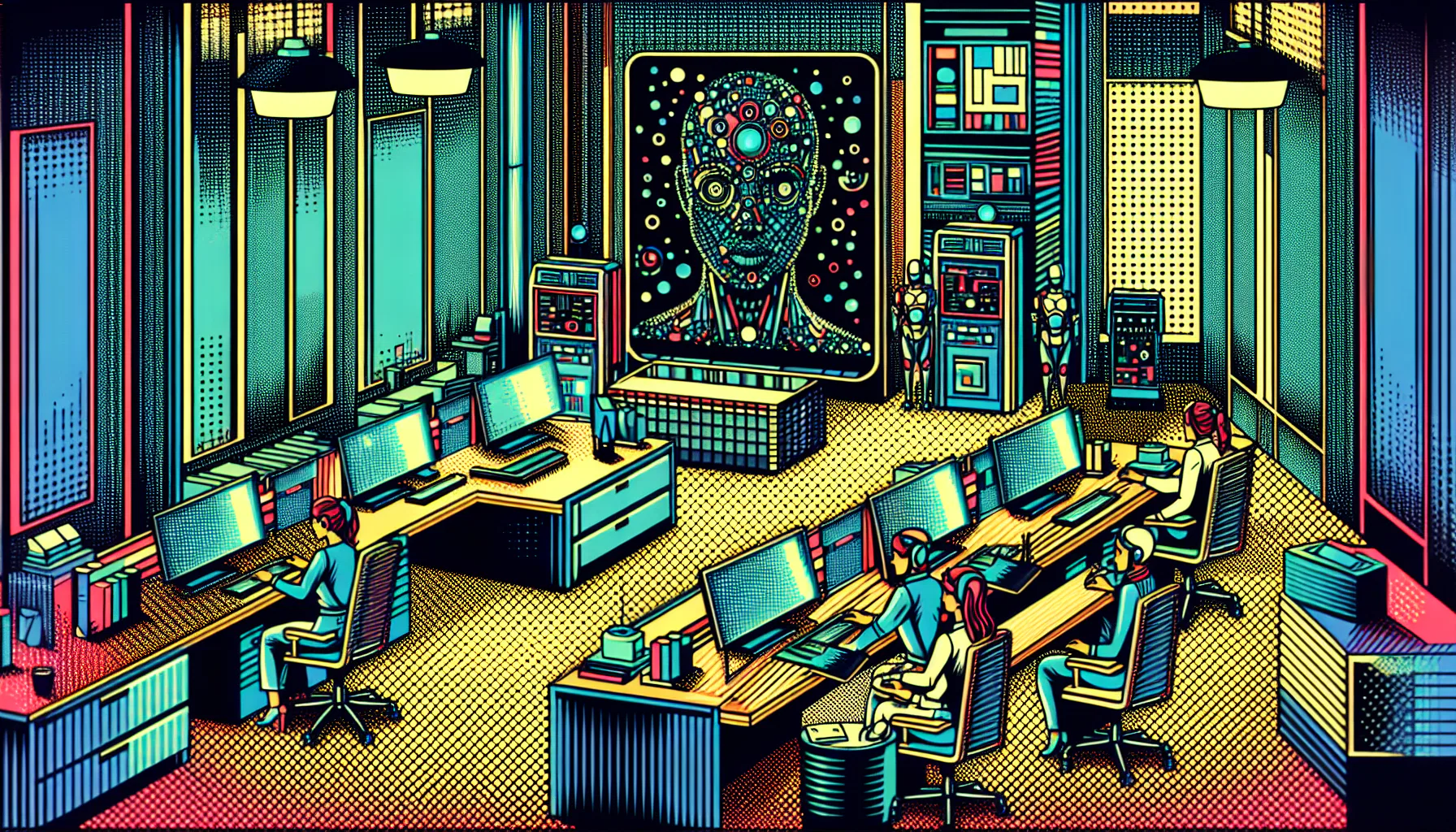
Generative content is transforming the way text is created, merging raw inputs with AI-driven algorithms to craft precise and engaging narratives. Think of text automation as a bridge between data and creativity, where structured prompts, spreadsheets, or reports are seamlessly converted into polished prose.
The magic begins when these inputs are introduced to neural language models, which unravel contextual patterns and tone with remarkable precision.
Utilizing sentence generation techniques and paragraph construction methodologies, the output aligns with specific audiences, ensuring maximum relevance and impact.
With adaptive content generation and automated storytelling acting as the cornerstone, this process revolutionizes digital copywriting.
Machine-generated text effortlessly becomes narratives that resonate, whether it’s for marketing materials, personalized blogs, or AI-powered storytelling. As computational linguistics combines with cutting-edge algorithms, text synthesis achieves a new height of sophistication.
The result? Effortlessly flowing content that balances analytics with a dash of creativity, redefining expectations of content personalization.
Natural Language Generation In Practice
Natural language generation (NLG) thrives on the intersection of data and storytelling, evolving from mere text automation tools to powerful engines of creativity. Imagine AI-assisted editing systems crafting personalized narratives that not only inform but captivate.
Whether generating stock reports, summarizing sports events, or producing tailored advertisements, NLG adapts to its context with seamless fluency.
In customer service, contextual text generation empowers chatbots to deliver customized solutions with polished tone and clarity.
“Picture an algorithm weaving intricately designed sentences, blending precision with personality to create content that feels almost human. ”
Through semantic content modeling and the brilliance of creative AI solutions, NLG doesn’t merely craft text—it orchestrates dynamic narratives.
Let’s explore a practical example: An AI uses output tailoring systems to build a digital news digest, offering curated updates peppered with wit. Generative text tools propel journalism forward, turning data-heavy reports into reader-friendly pieces.
Leveraging language synthesis and adaptive tone writing, NLG tools ensure every creation aligns with its audience’s preferences, pushing the boundaries of digital narrative crafting.
Text Automation
- Text automation merges raw data with AI-driven algorithms to create engaging narratives.
- Neural language models analyze contextual patterns and tone with precision.
- Generative text tools transform data-heavy reports into reader-friendly content.
- Natural language generation adapts to context, enabling personalized and impactful storytelling.
Optimizing Content With AI Tools
Generative content technologies are reinventing the art of digital copywriting, blending creativity with algorithmic writing precision. Creative writing automation begins with crafting prompts that are rich in context, such as Compose a compelling narrative on sustainable energy practices for eco-conscious readers.
Utilize adaptive tone writing by tailoring prompts to refine text variability and ensure consistent audience engagement.
For language model outputs, iterative feedback is paramount—adjust outputs by specifying tone customization needs and strengthening narrative generation.
Layered storytelling emerges through structured text creation, where basic ideas evolve into machine-generated narratives steeped in contextual copywriting.
Anchor your process with editorial AI tools like text synthesis software, transforming raw ideas into polished, semantic text analysis outputs.
Synergizing AI-powered storytelling with human ingenuity creates a seamless mix of dynamic content generation and creative AI solutions.
Techniques for Generative Text Tools
Machine-assisted writing excels when paired with personalized content delivery strategies.
Begin with semantic content modeling to focus on target grade levels and reader personas.
Expand into tone customization by leveraging neural language models to reinforce audience resonance.
Use writing software tools to refine paragraph construction, building compelling foundations for digital narrative crafting.
By harnessing prompt engineering, writers can achieve balance between algorithmic creativity and authentic tone consistency.
Combine consistent feedback loops with linguistic AI applications, ensuring creative storytelling remains fluid, flexible, and anchored in authenticity.
Best Practices For AI-Driven Content Creation
AI-driven content drafting reshapes the art of narrative generation, marrying computational linguistics with adaptive tone creation.
Begin by focusing on personalized content delivery, tailoring outputs to match your audience, such as Create an inspiring blog post for fitness enthusiasts seeking quick exercise tips.
Engage text synthesis software to enhance language processing technology, maintaining clarity while boosting emotional depth.
Balanced automated editing tools allow for sentence generation refinement, iterating outputs for stylistic consistency.
Avoid pitfalls of static machinegenerated text by investing in dynamic text generation, ensuring evolution through contextual text generation.
Build with precision—employ lexicon expansion techniques using reference materials to enrich content personalization strategies.
“AI content creation thrives when human creativity steers the wheel while machines amplify possibilities. ”
Actionable Insights for Intelligent Content Creation
Leverage algorithmic writing methods to combine text prediction tools with conversational AI solutions.
Use detailed feedback loops to refine outputs during automated storytelling.
Employ digital content enhancement practices, ensuring your audience remains captivated by adaptive content generation techniques.
Save writing augmentation prompts for consistent sentence generation during narrative crafting.
Creative AI solutions like automated content drafting software foster a balance of efficiency and authenticity, producing tailored language synthesis outputs.
From tone customization to precise prompt generation, the integration of computational linguistics with human artistry unlocks unparalleled editorial brilliance.
AI-Driven Content Creation
- Generative content technologies blend creativity with algorithmic precision for compelling narratives.
- Iterative feedback enhances language model outputs, refining tone and narrative strength.
- Semantic content modeling and prompt engineering improve audience engagement and personalization.
- Dynamic text generation avoids static outputs, ensuring contextual and adaptive storytelling.
Challenges In Machine-Generated Text
Imagine a story that feels automated rather than alive—this is the double-edged sword of generative content. While text automation efficiently churns out outputs, it often lacks the human touch.
Nuances like humor, sarcasm, or emotional resonance frequently slip through the cracks, leading to machine-generated text that feels disconnected.
- AI-powered storytelling can result in fragmented narratives, where coherence struggles to span across sentences or paragraphs.
- Ethical concerns loom large, with risks of AI-driven plagiarism raising alarms about authenticity and integrity in digital narrative crafting.
- Trust issues emerge as algorithmic writing fails to reassure readers of its originality. The ability to connect emotionally often determines the success of content personalization, making these limitations glaring.
Despite these obstacles, innovations in natural language generation, semantic analysis, and smarter GPT models gradually work to close these gaps.
Transitioning onward, understanding techniques to enhance adaptive content generation reveals how creators can blend artistry with AI for better outcomes.
Techniques For Contextual AI Text Generation
A vision emerges where AI content creation effortlessly molds into an author’s voice—bridging imagination with technology.
Key Strategies For Success
- Prompt engineering: Crafting precise prompts helps refine outputs, ensuring clarity and avoiding generic text synthesis.
- Iterative feedback loops: Engaging in real-time corrections fosters personalized content delivery aligned with expectations.
- Leverage reference materials: Use detailed examples, tone guidelines, and writing samples to direct semantic content modeling.
- Structured text creation: Gradually evolve prompts to define context, adding depth via techniques like output tailoring.
- Focus on tone customization: Clearly specify audience preferences to avoid bland results in digital copywriting.
With advancements like language synthesis tools and creative writing automation, AI becomes a collaborative ally, not a mechanical replacement.
By weaving these techniques into workflows, automated storytelling transforms into an art form, redefining how we approach content ideation.
Machine-Generated Text
- Generative content often struggles with emotional resonance, such as humor or sarcasm.
- AI-powered storytelling can lead to fragmented narratives lacking coherence.
- Ethical concerns, like AI-driven plagiarism, challenge the authenticity of digital narratives.
- Advancements in GPT models and semantic analysis aim to address these limitations.
Computational Linguistics In AI Writing
Diving deep into the heart of linguistic innovation, computational linguistics serves as the backbone of AI writing, imbuing machines with an unparalleled ability to understand and emulate human language. Generative content tools employ advanced algorithms to unravel the mysteries of grammar, semantics, and syntax, crafting narratives that resonate universally.
Armed with powerful text synthesis capabilities, these tools shape machine-generated text into dynamic, audience-specific outputs that excel in contextual text generation.
The Symphony of AI-Powered Storytelling
Picture a realm where AI-powered storytelling transforms mundane text into vibrant tales.
Through the seamless integration of adaptive content generation and sentence generation tools, AI writes with flair, maintaining perfect harmony between creativity and precision.
Here, interactive prompts guide narrative generation, ensuring the output mirrors the target audience’s preferences and tone. When used effectively, computational linguistics elevates digital narrative crafting to an art form, making algorithmic writing feel almost human.
The Art of Content Personalization
At its core, contextual copywriting thrives through thoughtful personalization.
Employing semantic content modeling, tools like automated editing software refine every detail, making written material strikingly relevant. Creative writing automation steps up to craft tailored messages with flair, bridging gaps between brands and audiences.
Whether employing lexicon expansion techniques or leveraging intelligent content creation pathways, computational linguistics ensures text adapts seamlessly to any scenario.
With breakthroughs such as GPT models, writers and organizations wield unparalleled power to customize tone through adaptive tone writing and generate entire paragraphs using structured text creation.
This synergy paves the way for AI-assisted editing, making writing augmentation an everyday reality while opening doors to new possibilities in tone customization.
From prompt engineering to digital content enhancement, computational linguistics continues to shape the narrative of tomorrow, laying the foundation for automated storytelling at its finest.
Computational Linguistics in AI Writing
- Computational linguistics enables AI to understand and emulate human language through advanced grammar, semantics, and syntax algorithms.
- Generative content tools leverage text synthesis to create dynamic, audience-specific outputs in contextual text generation.
- AI-powered storytelling integrates adaptive content generation and sentence generation tools for creative and precise narratives.
- GPT models allow for adaptive tone writing and structured text creation, enhancing automated storytelling and writing augmentation.