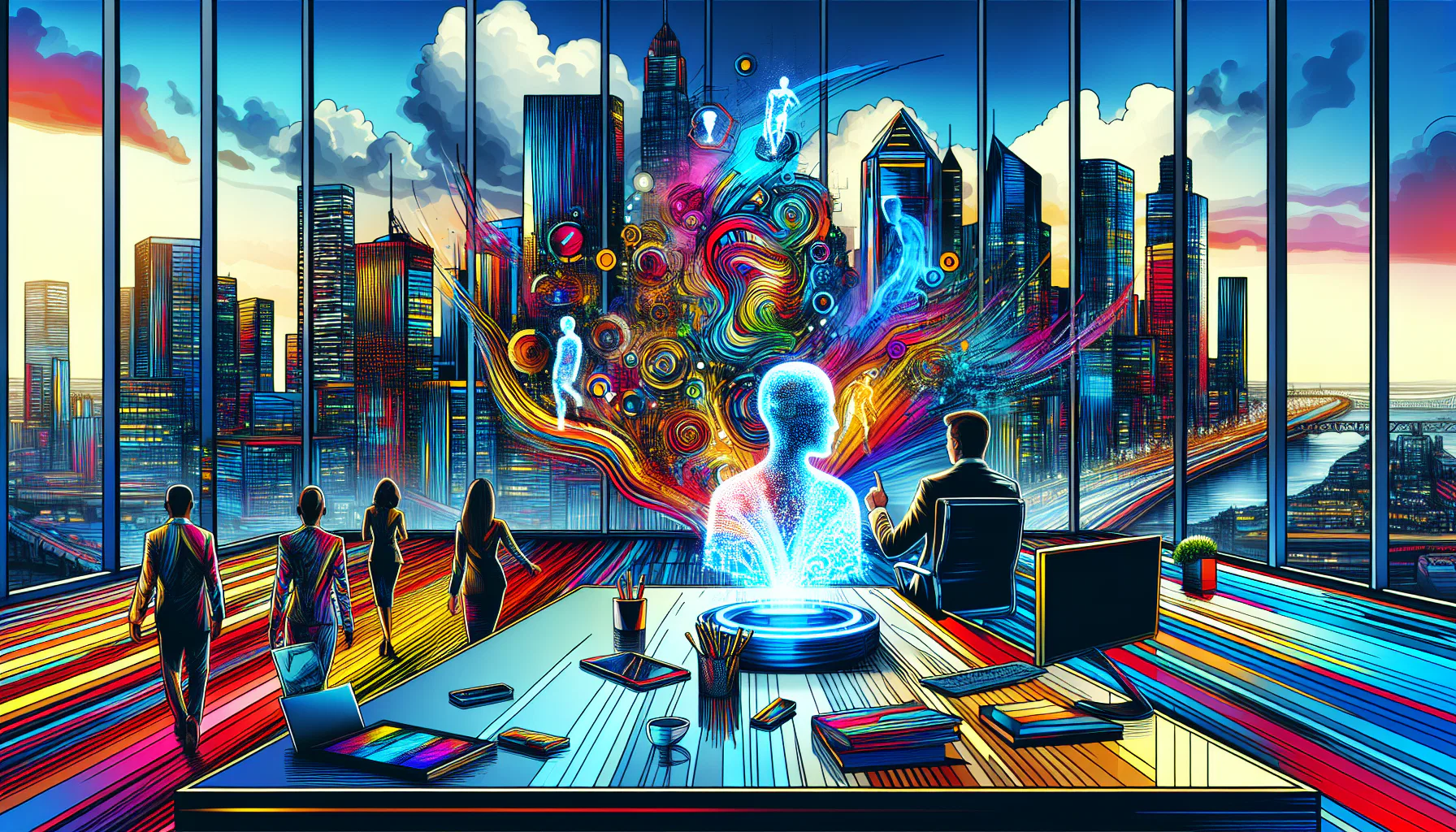
Artificial intelligence has ushered in a new era of storytelling, blending deep learning with human creativity to produce captivating, data-driven narratives. Leveraging generative models, writers now explore imaginative realms where boundaries dissolve under the influence of intelligent algorithms.
Predictive analytics and semantic understanding convert audience insights into compelling inspiration, making each word resonate.
From text synthesis to adaptive technologies, the craft of writing has become both precise and visionary, redefining what’s possible in creative expression.
But as content creation evolves, we must ask: What happens when artificial intelligence becomes more muse than machine?
How Artificial Intelligence Transforms Content Creation
Igniting Creativity Through Brainstorming
Artificial intelligence opens doors to endless ideas. By analyzing millions of data points, predictive analytics and datadriven strategies generate unique topic suggestions tailored to audiences.
Imagine using semantic targeting to pinpoint subjects that inspire and engage, offering creators a roadmap to navigate the complexities of their readers’ minds. These tools not only identify trends but also unveil audience insights buried deep within structured information.
AI brainstorming tools turn chaos into clarity, structuring creativity into tangible plans.
Effortless Editing and Refinement
Automated editing transforms rough drafts into polished gems, thanks to tone modulation and contextual refinement.
Writers save time while AI handles grammar validation, ensuring that even the most intricate details shine.
Document formatting, paired with voice generation, produces seamless professional-level content ready for delivery without the headache of tedious revisions.
Revolutionizing Video Script Creation
Generative models and intelligent algorithms elevate storytelling to new heights in video production.
Imagine a system that drafts scripts based on audience data, using trend forecasting and image creation to align visuals and content with viewer preferences. Through combined efforts of adaptive engines and dynamic frameworks, AI ensures every scene not only captivates but also connects emotionally.
Ethical Considerations in AI Content Creation
Originality checking and brand identity alignment are critical as creators leverage AI for storytelling.
Human oversight remains essential to address issues of bias and ensure authenticity. While AI sparks innovation, it’s equally vital to monitor linguistic processing and topic categorization to maintain ethical integrity in this evolving landscape.
AI transforms creativity into precision, but humanity safeguards its soul.
Broad Applications in Creative Technology
- Content creation expands beyond text, encompassing sound production, language translation, and interactive solutions.
- Multimedia output integrates AI-generated visuals and soundscapes.
- Adaptive technologies enrich userfocused design and pave the way for innovative engagement.
Artificial intelligence doesn’t just enhance content—it redefines the very act of creation. From tactical planning to narrative development, the symbiosis of human ingenuity and machine precision promises storytelling techniques that resonate across mediums and minds alike.
Exploring Deep Learning For Creative Tasks
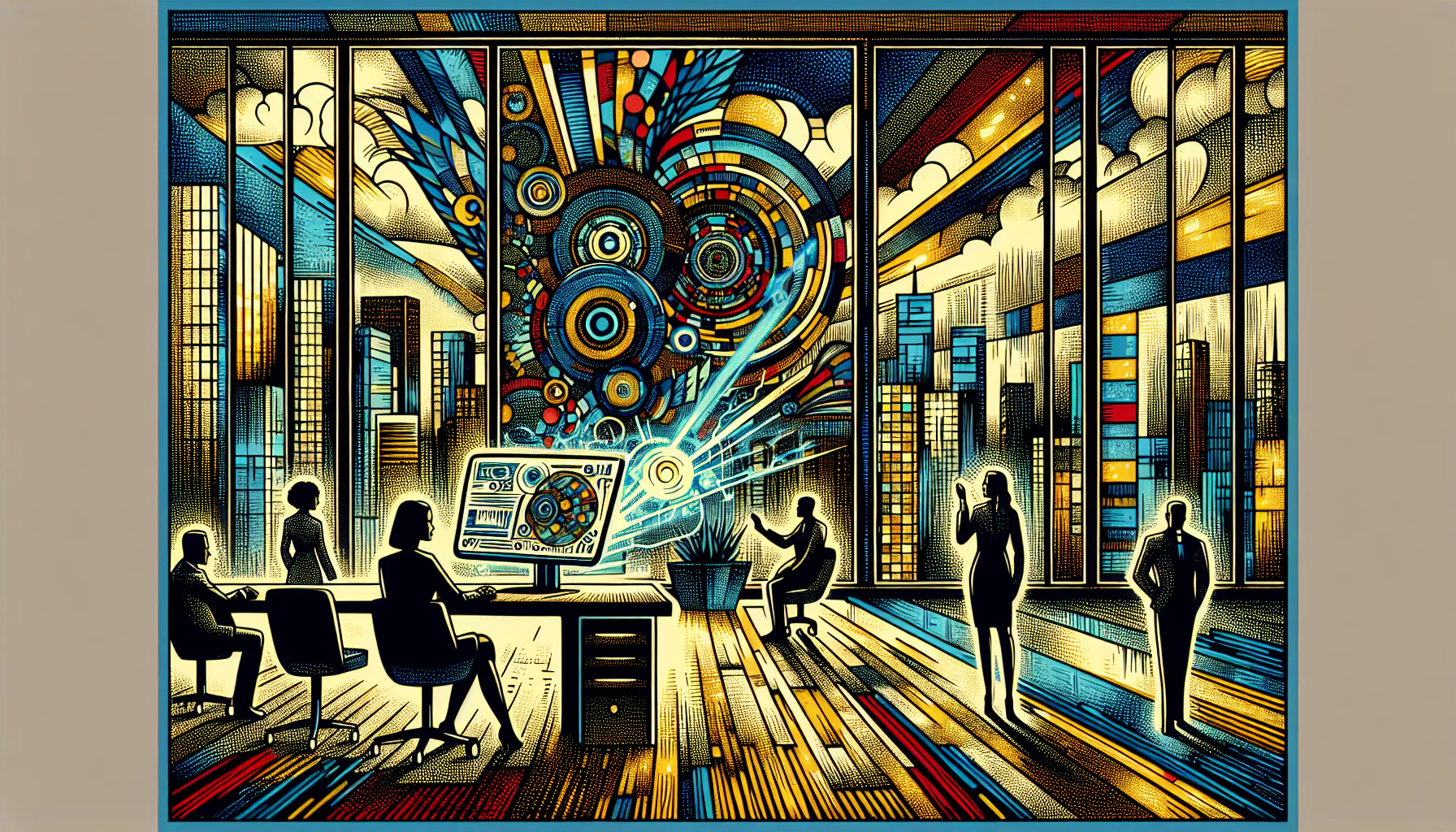
Artificial intelligence has unlocked a new realm of artistic expression, allowing deep learning models to transform imagination into tangible creations. Picture an adaptive engine conjuring surreal landscapes or abstract designs—tools like DALL-E and MidJourney employ neural networks to breathe life into text-based descriptions, creating visuals that rival human artistry.
These generative models are reshaping the boundaries of image creation, blending computation with creativity seamlessly.
As much as deep learning thrives on structured information, the interplay between computational precision and emotional depth can be delicate.
Take Generative Adversarial Networks (GANs), for example.
These dynamic frameworks excel at crafting photorealistic portraits, yet they often rely on human oversight for originality checking and contextual refinement. Despite these challenges, adaptive technologies empower artists to push boundaries, experimenting with intricate details while preserving the soul of their creations.
Balancing Algorithmic Potential and Emotional Resonance
The dance between human emotion and machine precision shapes a unique narrative for creative enhancement,
says a leading designer exploring AI’s integration into fine art.
While intelligent algorithms like predictive analytics can decode patterns and generate designs, maintaining a brand identity alignment with the creator’s vision requires meticulous effort. AI-powered tools are invaluable for tasks such as content retrieval, metadata optimization, and datadriven strategies, yet the essence of human ingenuity cannot be replaced.
Innovative strategies now include artists collaborating with computational models—leveraging their capabilities to reimagine traditional forms of art.
The Future of Multimedia Output
As users embrace interactive solutions, the fusion of deep learning and artistic endeavors marks the dawn of a transformative era.
From text synthesis delivering poetic inspirations to sound production redefining music composition, the possibilities appear endless.
With the rise of semantic understanding, AI tools are evolving to create emotionally resonant, visually captivating works. The collaborative synergy between humans and machines will continue to drive creative evolution, bridging the gap between conceptual vision and flawless execution.
Unlocking Neural Networks In Writing
Imagine natural language processing systems weaving words into vivid tales, helping writers craft mesmerizing narratives.
With the advent of content summarization and tone modulation via neural networks, storytellers now have access to tools that refine their creative processes. A standout example lies in GPT models, which can produce poetic verses or entire short stories based on tailored prompts—a testament to the growing sophistication of text synthesis technologies.
These content creation marvels enhance storytelling techniques while maintaining authenticity.
Case Study: AI-Driven Poetry in Action
In one notable instance, a generative model crafted a collection of haikus inspired by seasonal changes.
While the algorithm’s elegant phrasing captivated audiences, human input significantly elevated the emotional nuance, ensuring the poetry resonated deeply.
This highlights an essential truth: automated editing and linguistic processing require a balance of machine efficiency and human oversight to achieve impactful results.
Writers can leverage adaptive engines to experiment with lexical variation and voice replication, but understanding the rhythm and emotion of language remains uniquely human. The marriage of machine learning and human creativity ensures that the final product reflects genuine narrative depth.
Tips for Collaborative Writing with AI
Unlocking the full potential of algorithmdriven writing requires thoughtful integration.
Start by using tools like Jasper AI for brainstorming; its ability to generate tailored prompts can spark inspiration across multiple genres. After generating a draft, focus on audience insights and contextual refinement to align with your brand’s messaging.
Use AI-driven semantic targeting to optimize content for SEO while preserving originality.
Human oversight transforms robotic automation into a storyteller’s ally,
ensuring that AI-generated works resonate with personal style and universal appeal.
Key Insights on AI in Creative Tasks
- Deep learning models like DALL-E and MidJourney use neural networks to create visuals from text descriptions, blending computation with creativity.
- Generative Adversarial Networks (GANs) excel at photorealistic creations but require human oversight for originality and context refinement.
- AI-powered tools assist with tasks such as content retrieval, metadata optimization, and predictive design strategies, enhancing artistic workflows.
- The collaboration between humans and AI tools fosters creative evolution, bridging conceptual vision with precise execution.
Intelligent Algorithms For Enhanced Storytelling
Picture narratives that adjust seamlessly to mirror your emotions, reactions, and preferences—a reality brought to life through intelligent algorithms. These adaptive technologies leverage sentiment analysis and neural networks to breathe dynamism into storytelling by reshaping plotlines based on emotional analysis.
Artificial intelligence, enriched by predictive analytics, has the power to fine-tune every twist and turn of a tale, responding to happiness, suspense, or melancholy.
For instance, a sci-fi epic could evolve uniquely for readers preferring action-packed sequences or philosophical undertones, driven by audience insights derived from their interactions.
Feedback Loops: Crafting Relatable Narratives
Feedback loops play an instrumental role in this innovation. By harnessing data through computational modeling and emotional analysis, deep learning systems can identify patterns and refine characters to be more authentic and engaging.
This process uses semantic understanding to ensure narratives resonate deeply with individual reader preferences, creating a bond between creator and audience.
In the realm of adaptive storytelling, neural networks and structured linguistics work together to craft plots that are not only entertaining but also inclusive, responsive, and culturally enriched.
Interactive solutions allow audiences to become co-creators, guiding narrative threads to align with evolving tastes and trends while maintaining creative enhancement.
Utilizing Generative Models In Content Development
Imagine a world where generative models reinvent how content is created, spanning from procedural blog posts to engaging social media ads.
These AI tools streamline the complex art of text synthesis, delivering tailored messaging at breakneck speed while targeting audience insights.
Artificial intelligence systems, powered by adaptive engines, excel in crafting concise, SEO-optimized material like product descriptions that dynamically adapt to market needs.
Applications Across Formats
The versatility of AI shines in industries like e-commerce and education, where tone modulation ensures messaging connects with specific demographics effectively. Semantic targeting empowers businesses to move from generic outreach to hyper-personalized storytelling techniques, fostering deeper audience connections.
Whether generating structured information for a research report or crafting compelling visual narratives through image creation, these tools enhance every step of the content lifecycle.
Balancing Automation with Creativity
While automated editing and document formatting have revolutionized content creation, the risk of overreliance on these systems looms large. Excessive use might dilute brand identity alignment, leading to cookie-cutter outputs that lack originality and emotional resonance.
By integrating human input and oversight, coupled with creative storytelling techniques, businesses can achieve a harmonious blend of efficiency and authenticity.
These innovative strategies ensure AI remains a complementary force to human creativity, driving engagement analytics and redefining competitive insights with meaningful content that stands the test of time.
Intelligent Algorithms and Generative Models
- Intelligent algorithms use sentiment analysis and neural networks to adapt storytelling to emotions and preferences.
- Feedback loops with deep learning systems refine characters and plots for authenticity and resonance.
- Generative models streamline text synthesis for tailored, SEO-optimized content across industries.
- Balancing automation with human creativity ensures originality and emotional connection in content development.
Predictive Analytics For Audience Insights
Picture a symphony conductor wielding a baton of artificial intelligence, orchestrating data into harmonious insights—this is the art of predictive analytics. Utilizing intelligent algorithms and neural networks, marketers can uncover patterns within vast audience datasets, from engagement on social platforms to website behaviors.
These insights don’t just predict trends; they lay the foundation for data-driven strategies that captivate audiences with personalized precision.
The Magic of Trend Forecasting
Imagine diving into the ocean of audience data and emerging with hidden treasures of predictive insights.
By employing tools powered by deep learning, brands can identify emerging topics—often before competitors catch on.
For instance, AI-powered personalization can transform this knowledge into tailored campaigns that feel like a bespoke experience, enhancing loyalty and driving higher engagement rates.
- Semantic understanding tools can decode audience sentiment to refine messaging.
- Adaptive technologies enable real-time adjustments to campaign performance.
- Generative models provide creative ideas for fresh content strategies.
Tips for Optimizing Engagement
Leverage the strengths of predictive analytics by integrating it with your content strategy. Use NLP-enabled platforms to monitor shifts in audience preferences or analyze social buzz dynamically. For example, employing responsive algorithms can help marketers craft real-time, highly relevant headlines for blogs or social posts based on current trends. The fusion of pattern detection and contextual refinement ensures your content always strikes the right chord.
Here’s a quick tip: Align predictive insights with AI-assisted creative tools. These technologies enable live processing of audience data so you can adapt content as trends evolve, maintaining relevance and maximizing impact.
The secret formula lies in combining predictive analytics with semantic targeting, ensuring each piece of content speaks directly to the audience’s pulse. With the right tactical planning and storytelling techniques, predictive analytics transforms your marketing landscape into an interactive masterpiece.
| Predictive Analytics Features | Benefits for Marketers |
|---|---|
| Deep learning for trend forecasting | Identifies emerging topics before competitors |
| Semantic understanding tools | Refines messaging based on audience sentiment |
| AI-powered personalization | Creates tailored campaigns for higher engagement |
| Adaptive technologies | Enables real-time campaign adjustments |